Pricing behavior
System design
TradeFlow stores structured jobs, applies visible logic, and explains the result.
This page explains the operational side of the system: what information gets saved, how pricing is handled, why verification exists, and where the time savings come from.
Pricing engine
Switch between pricing modes and inspect the breakdown
Stored record
What gets retained on the job
Product capabilities
Core system functions at a glance
Multiple operational paths under one product instead of separate tools and spreadsheets.
Jobs persist with metadata, outputs, verification state, and dashboard retrieval context.
AI helps with note interpretation, but direct rules handle predictable material logic.
Flags missing lines, duplicates, structural mismatches, and unsupported outputs before final trust.
Supports flat-rate logic, cost-plus pricing, markup rules, and visible totals.
Less manual cleanup, less missed material, fewer pricing inconsistencies, and better job traceability.
Time savings
Where the operational gain actually comes from
Automatically structuring shorthand notes into the correct categories and floors.
Reducers, flex, collars, and related derived materials no longer need repeated manual math.
Issues surface in one place instead of being discovered later by the office or supplier.
Past jobs remain searchable instead of buried in texts, PDFs, or memory.
Operational credibility
The product also lives inside a real managed environment
TradeFlow is supported by a real deployment environment, not just a mockup.
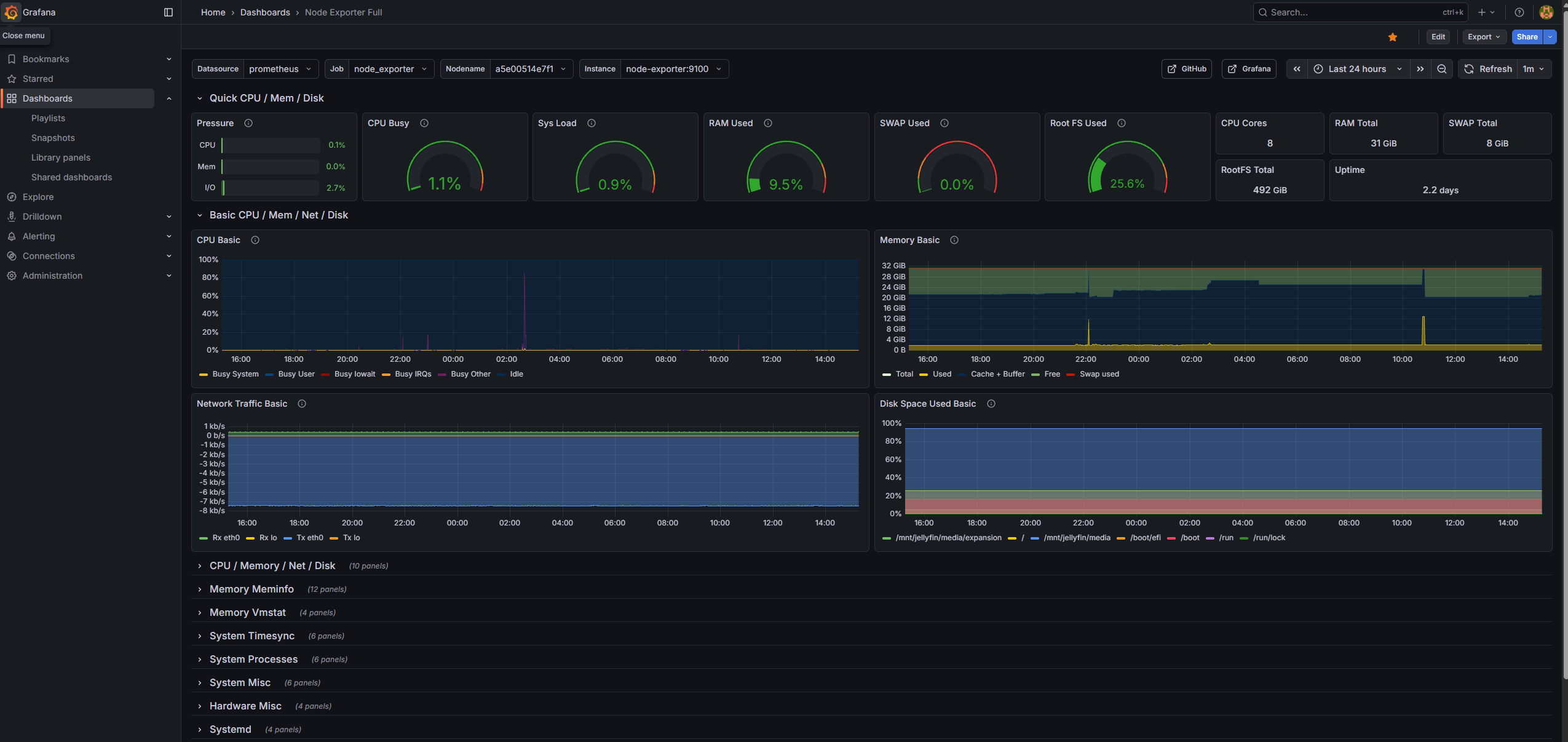
What that means in practice
- Reverse proxy and HTTPS in front of the product surfaces
- Backend services for storage, generation, and pricing behavior
- Dashboard and retrieval layer for saved jobs
- Monitoring and maintenance around the application environment
That matters because the system is meant to run reliably, hold business data, and stay usable after it is deployed.
Complete demo